Bedding serves as the foundation for comfortable rest and supports daily health through proper alignment and pressure distribution. In this category, emphasis is placed on materials, construction, and adaptability to different sleep preferences. Understanding correct pillow and support choices can improve spinal posture, reduce toss-and-turn frequency, and enhance overall relaxation during sleep or quiet resting periods.
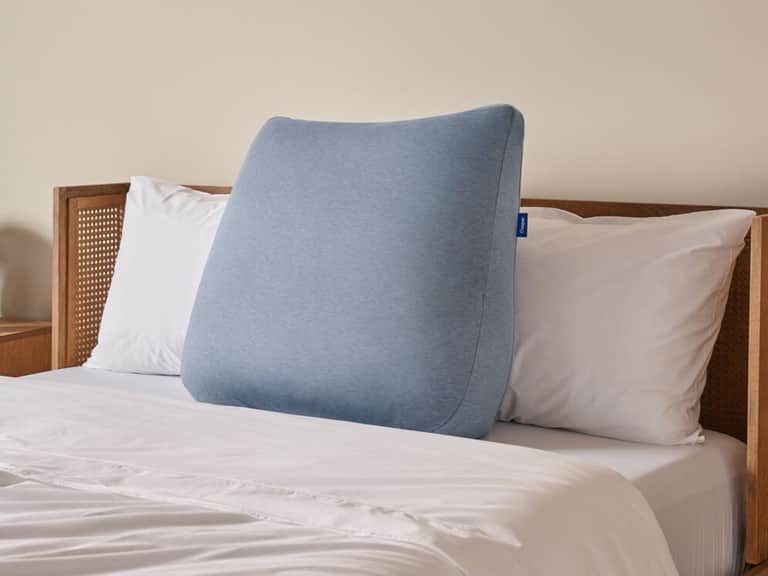
Key features to consider include fill type, firmness levels, and adjustability. Backrest Pillows prioritize upright support for reading or viewing, while maintaining gentle contouring for the neck and shoulders. Rejuvenation Pillows emphasize restorative support with breathable covers and resilient cores, designed to maintain shape over time and aid in breathability throughout the night.
Side Dreamer Pillows illustrate how targeted lateral support can ease pressure on the hips and lower back when sleeping on one side. These pillows often incorporate supportive memory foam or alternative fill that responds to body heat, promoting stability without creating undue stiffness. Each design aims to minimize pressure points while allowing natural alignment of the spine.
In addition to individual pillows, the Bedding category commonly addresses compatibility with adjustable surfaces and ergonomic accessories. Proper integration with adjustable beds or sectionals can extend comfort into seated or reclining positions, supporting both rest and productive daytime activities. Material selection, washable covers, and durability contribute to long-term usability and hygiene.
Meta keywords such as furniture, chairs, adjustable beds, daybeds, and sectionals reflect the broader context of this category. An informed approach to choosing bedding concentrates on function, user comfort, and function-specific benefits, ensuring suitability for varied rest styles, whether for sleep, reading, or recovery-friendly lounging.
 Bedding